Mapping Digital Pathways: Interface Design Elements That Direct User Navigation in Multi-Game Environments
Tina Braun · Sep 25, 2026
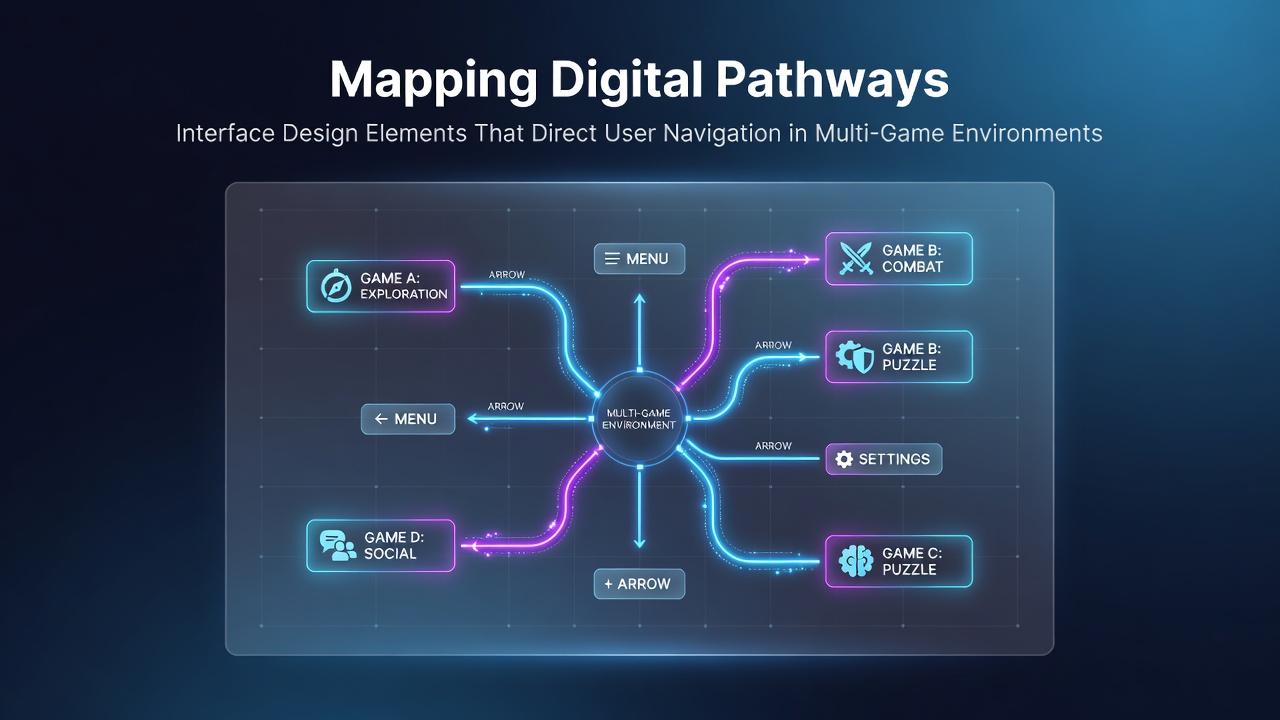
Mapping Digital Pathways: Interface Design Elements That Direct User Navigation in Multi-Game Environments
Digital platforms that host multiple games rely on carefully structured interface elements to guide users through selections, transitions, and sessions, and data from industry reports show these components shape how players move between titles like slots, table games, and live dealer options. Researchers at various institutions have documented patterns where menu placements, icon systems, and layout hierarchies reduce friction while directing attention toward specific sections of an application or website.
Navigation bars positioned at teh top or bottom of screens serve as primary pathways, and studies indicate they account for a significant portion of initial user decisions when entering a multi-game environment. These bars often feature tabbed categories that separate games by type, popularity, or new releases, which allows users to scan options quickly without scrolling through endless lists. In applications developed for both desktop and mobile, the consistency of these bars across devices helps maintain orientation, and figures from platform analytics reveal that users who engage with categorized tabs tend to explore more titles per session than those who rely solely on search functions.
Visual Cues and Icon Systems
Icons and color-coded indicators function as directional signals that highlight active areas or suggest next steps, and evidence from user behavior tracking shows they influence click rates on particular game thumbnails. For instance, glowing borders around featured games or animated arrows pointing toward promotions draw focus in environments where dozens of options compete for attention. Designers incorporate these elements based on eye-tracking data, which demonstrates that certain hues and shapes prompt faster recognition than plain text labels alone.
Breadcrumbs provide another layer of guidance by displaying the user's current location within nested menus, and this feature proves especially useful in platforms offering subcategories such as progressive jackpots or tournament modes. Observers note that when breadcrumbs appear in a persistent header, they reduce the likelihood of users becoming disoriented and exiting prematurely, while data collected across multiple regions supports their role in extending average session durations.
Search and Filtering Mechanisms
Search bars equipped with predictive text and filter sliders enable precise navigation through extensive libraries, and reports compiled by gaming associations indicate that advanced filtering options correlate with higher retention in multi-format settings. Users can narrow results by volatility levels, theme, or provider, which streamlines movement from broad exploration to targeted play. In September 2026 several platforms plan to roll out enhanced voice-activated search tools that integrate with these systems, building on existing patterns observed in mobile-first designs.
Thumbnail grids arranged in responsive layouts further direct flow by prioritizing high-engagement titles at eye level, and academic analyses of interface interactions confirm that grid density affects how many games receive consideration before a selection occurs. Spacing between elements, combined with hover states that reveal brief descriptions, supplies additional context without overwhelming the primary view.
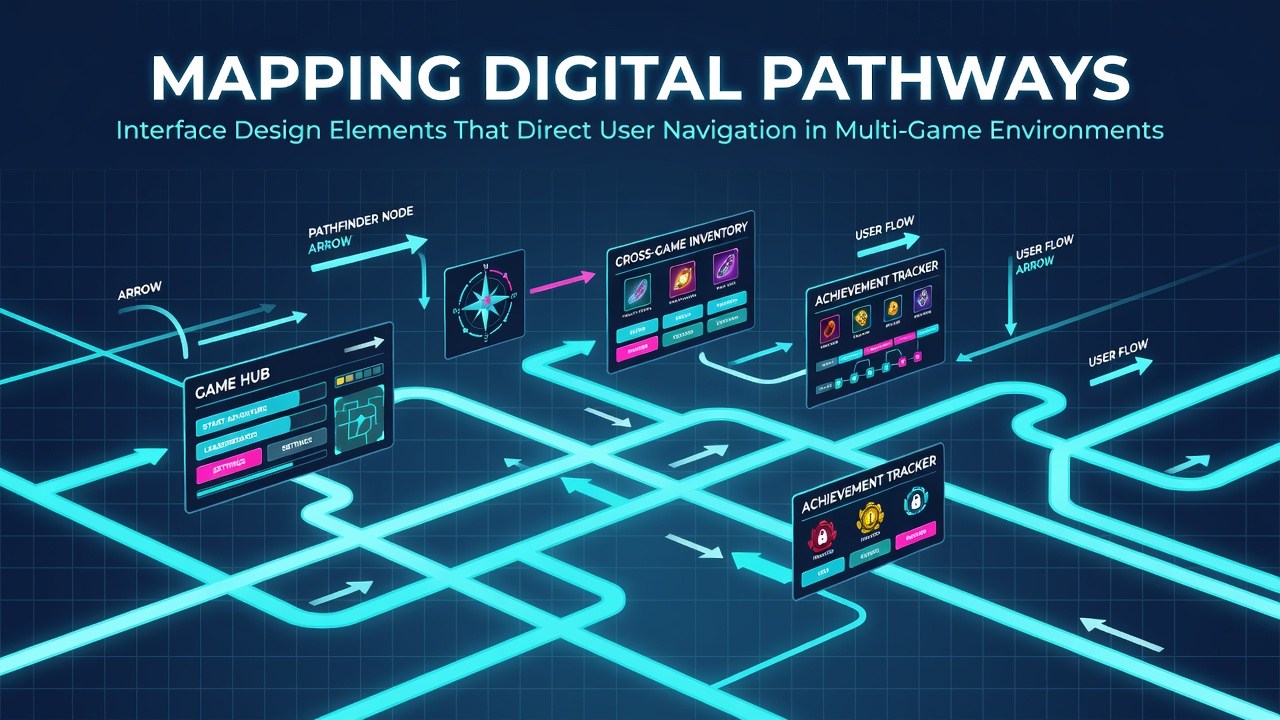
Adaptive Layouts and Responsive Elements
Adaptive layouts adjust based on screen size and user preferences, and industry data shows these adjustments maintain consistent navigation pathways whether accessed on tablets, phones, or larger monitors. Side panels that collapse into hamburger menus on smaller devices preserve access to account settings and game history while keeping the main content area uncluttered. Those who have examined platform performance metrics observe that responsive transitions between views contribute to smoother movement across game formats.
Notification overlays and progress indicators appear at strategic moments to suggest alternative paths, such as moving from a completed slot session to a live table game. According to findings published by the Canadian Gaming Association, platforms incorporating such contextual prompts see measurable shifts in how users sequence their activities, particularly when the prompts align with real-time availability of certain titles.
Integration of Multiplayer and Live Features
Live game lobbies integrate chat windows and seat maps that extend navigation beyond static menus, and external analyses from the Australian Institute of Family Studies highlight how these interactive components influence transitions between solo and communal experiences. Embedded links within chat interfaces can direct users to related tournaments or leaderboards, creating secondary pathways that keep activity within the same ecosystem.
Security badges and payment gateways positioned near navigation hubs reassure users during cross-game movement, and statistics compiled by the European Gaming and Betting Association demonstrate that visible trust signals reduce hesitation when switching between formats that require different deposit methods. This placement strategy supports continuous engagement without forcing users back to separate account sections.
Conclusion
Interface design elements collectively map digital pathways that determine navigation efficiency in environments offering diverse game selections, and ongoing platform updates continue to refine these components based on aggregated usage data. The combination of structured menus, visual signals, search tools, and adaptive features produces measurable effects on how users discover and cycle through available options, with developments scheduled for September 2026 expected to introduce further refinements in predictive assistance.